
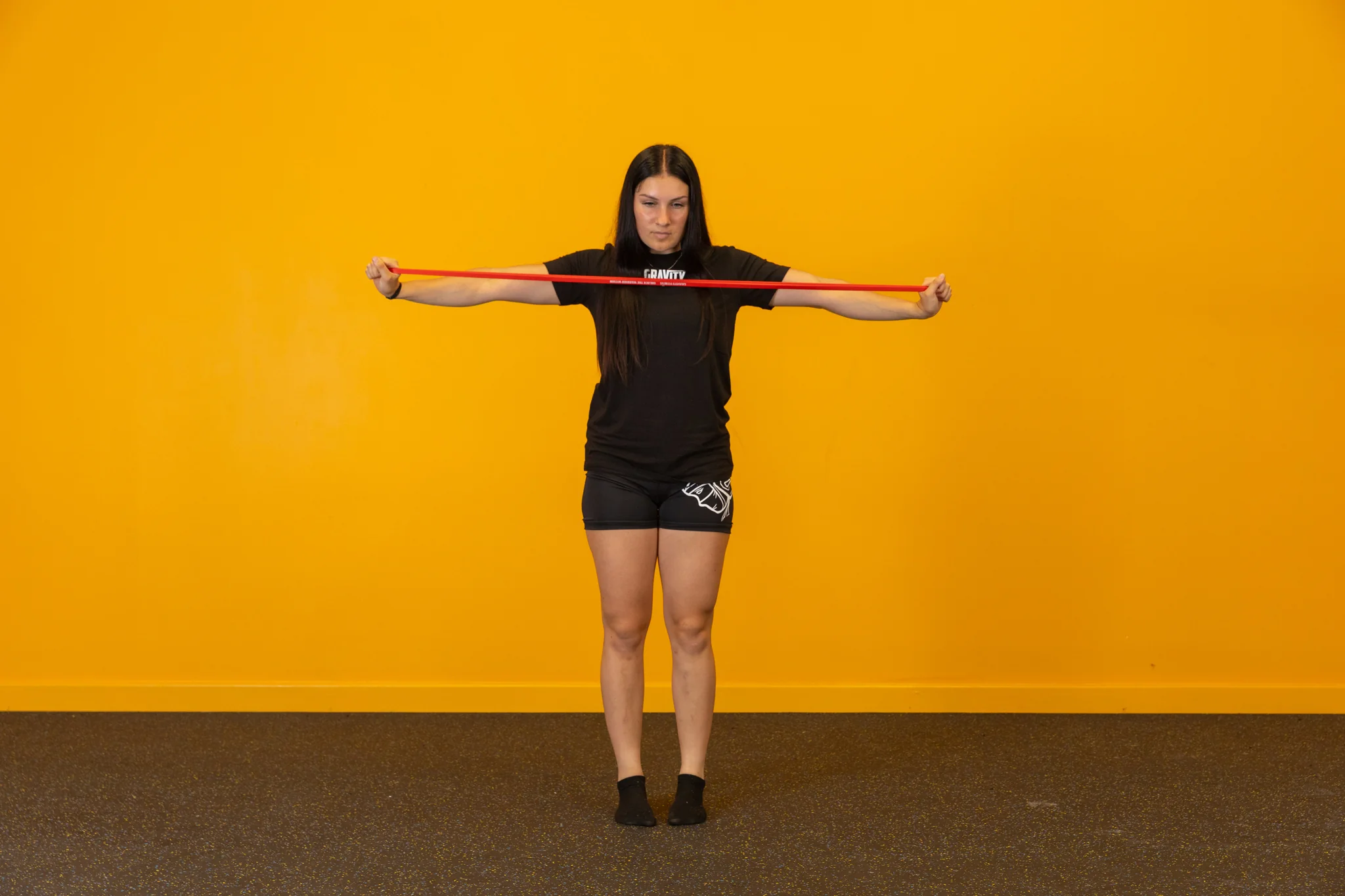
Strength training doesn’t require a gym full of machines or heavy weights. With a few simple tools and smart exercise selection, you can achieve a full-body workout at home that builds muscle, improves mobility, and enhances overall fitness.
Why Strength Training at Home Works
Home strength training focuses on functional movements that engage multiple muscle groups simultaneously. This approach improves coordination, builds balanced strength, and burns more calories than isolated exercises alone. Using versatile tools allows you to scale resistance according to your fitness level, making it suitable for beginners and experienced athletes alike.
Essential Equipment for Home Strength Training
You don’t need much to get started. A yoga mat, a set of dumbbells or kettlebells, and resistance bands are sufficient for a full-body routine. In particular, pull-up resistance bands are highly effective because they can assist with pull-ups, rows, and other pulling exercises. These bands help you learn how to pull up resist your body weight safely while gradually building upper-body strength.
Upper-Body Strength Exercises
Push-ups, shoulder presses, and band-assisted rows are excellent ways to target the chest, shoulders, and back. Using pull-up resistance bands for rows or assisted pull-ups allows you to control the level of difficulty and focus on proper form. Over time, these movements enhance strength and endurance while minimizing the risk of injury.
Lower-Body Strength Exercises
Squats, lunges, and glute bridges engage the quads, hamstrings, and glutes effectively. Adding resistance bands under your feet or around your thighs increases the challenge without requiring heavy equipment. Slow, controlled repetitions maximize muscle activation and ensure each exercise is effective.
Core Strength Exercises
A strong core supports all other movements and improves posture. Planks, side planks, and seated band rotations are excellent options. Using pull-up resistance bands adds gentle tension to rotational movements, helping you strengthen your abs and obliques while learning to pull up resist gradually.
Structuring a Full-Body Routine
For a balanced full-body workout, perform 2–3 sets of 5–6 exercises covering the upper body, lower body, and core. A session of 30–40 minutes is sufficient for most people. Focus on proper form, controlled movement, and gradual progression using resistance bands or light weights.
Final Thoughts
Full-body strength training at home is highly effective with just a few pieces of simple equipment. Incorporating pull-up resistance bands allows you to safely challenge your upper body while learning to pull up resist resistance. With consistent practice, you can build strength, improve endurance, and maintain long-term fitness without ever needing a gym.