Clear vision is one of the most important aspects of daily life, yet millions of people around the world struggle with refractive errors such as myopia, astigmatism, and hyperopia. Advances in ophthalmology have introduced a wide range of procedures designed to correct these issues permanently. Among the most sophisticated treatments available today are icl biotech implant technology and Smile lasik procedures, both of which are offered by the renowned SNU Eye Clinic in Seoul, Korea.
Patients seeking modern Vision Correction treatments often research clinics that combine advanced equipment, experienced surgeons, and internationally recognized medical expertise. SNU Eye Clinic has become a leading destination for such patients, delivering world-class treatments supported by cutting-edge diagnostic technology and innovative surgical techniques.visit for more details 하늘안과 라식 후기.
Modern developments in laser vision correction
Laser vision correction has evolved significantly since the introduction of LASIK in the 1990s. Early procedures required large corneal flaps and longer recovery periods, but technological innovations have drastically improved both safety and patient comfort.
Today, techniques such as Smile lasik and the advanced pro smile approach allow surgeons to correct vision using extremely small incisions and highly precise laser systems. The smile technique eye surgery method, which stands for Small Incision Lenticule Extraction, removes a microscopic piece of corneal tissue to reshape the eye and correct refractive errors.
Systems such as the smile pro machine and dts pro smile design technology have enhanced the precision of these procedures. Surgeons can now create customized treatment plans based on detailed eye scans and advanced mapping technologies. These improvements have made procedures like 全飞秒 laser surgery increasingly popular among patients seeking fast recovery and long-lasting results.
Understanding icl biotech implant technology
While laser procedures are effective for many patients, not everyone is an ideal candidate for corneal reshaping surgeries. Some individuals have extremely high myopia or thin corneas, making procedures like LASIK or LASEK unsuitable. In such cases, icl biotech implants offer an alternative solution.
ICL, or Implantable Collamer Lens surgery, involves inserting a specialized lens inside the eye to correct refractive errors without altering the cornea. The lens works in conjunction with the eye’s natural structures to provide clear vision while preserving the integrity of the cornea.
Modern models such as visian icl v4c fda implants incorporate innovative design features that improve safety and visual quality. Clinical studies have shown that these lenses can correct severe myopia while maintaining high optical performance.
Patients researching procedures like icl-operation komplikationer or icl− concerns often learn that modern implant technology has significantly reduced complication rates. The lens material is highly biocompatible, meaning it works naturally with the eye’s internal environment.
Choosing between Smile lasik and ICL procedures
Determining the best treatment method requires careful evaluation by experienced ophthalmologists. Patients who search for terms such as 라식 vs 라섹 디시 or lasek bytkowski comparisons often discover that each procedure has unique benefits depending on the structure of the eye.
Smile lasik is often recommended for individuals with moderate myopia and healthy corneas. Because the procedure uses a small incision instead of a large corneal flap, it typically results in faster recovery and reduced risk of dry eye symptoms.
ICL surgery, on the other hand, is frequently recommended for patients with very high refractive errors. The implanted lens acts like an internal contact lens, providing sharp vision while remaining invisible to others.
Other procedures such as 라섹 or sst lasek remain valuable options for certain patients. These methods reshape the corneal surface rather than creating a flap, making them suitable for individuals with thinner corneas.
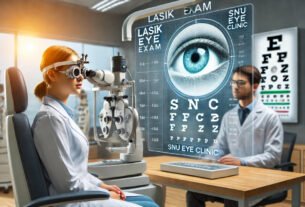
At SNU Eye Clinic, ophthalmologists conduct comprehensive evaluations including retinal scans, corneal topography, and 라식 검안 diagnostics. These examinations help determine whether a patient is best suited for Smile lasik, ICL surgery, or another form of laser correction.
Global demand for advanced vision treatments
The demand for advanced vision correction procedures has increased worldwide as technology continues to improve. Patients researching options such as lasik eye surgery texas, lasik eye surgery austin, or лазерная коррекция зрения smile цена в москве often compare international clinics before deciding where to undergo treatment.
South Korea has emerged as a major center for ophthalmology due to its combination of advanced medical infrastructure and highly trained specialists. Clinics in Seoul frequently use state-of-the-art diagnostic systems that provide detailed eye measurements and treatment simulations.
International patients often explore multilingual resources when researching clinics abroad. Terms such as 视力矫正, Koreksi Penglihatan, ตรวจสายตา, or ตรวจตา reflect the global interest in vision correction technologies.
Many patients also research lens implantation through terms such as Интраокулярные линзы or Линзсуулгахмэсзасал, which refer to intraocular lens procedures in various languages.
Patient experience and surgical planning
One of the defining characteristics of modern ophthalmology is the emphasis on personalized treatment planning. Each patient’s eyes have unique characteristics, and even minor differences in corneal shape or pupil size can influence surgical outcomes.
At SNU Eye Clinic, surgeons use advanced imaging technologies to analyze these characteristics before recommending a specific procedure. This careful planning ensures that treatments such as Smile lasik or ICL implantation achieve the best possible visual outcomes.
Patients also receive detailed guidance about post-surgery care. Recovery instructions may include information about 스마일 라식 관리, eye hydration, and avoiding excessive screen exposure during the initial healing period.
The clinic’s commitment to patient education helps individuals understand the entire treatment process, from initial consultation to long-term follow-up care.
Future trends in vision correction technology
The field of ophthalmology continues to evolve rapidly, with new technologies being introduced to enhance both safety and visual outcomes. Researchers are exploring advanced laser systems, artificial intelligence-based diagnostics, and improved lens materials that could further transform vision correction procedures.
Innovations in implantable lenses, such as next-generation collamer materials and refined optical designs, are expected to improve visual clarity even further. Meanwhile, improvements in laser technology may allow surgeons to perform procedures with unprecedented precision.
As these technologies continue to develop, clinics like SNU Eye Clinic will remain at the forefront of global ophthalmology research and treatment. By integrating advanced equipment with expert surgical skills, the clinic provides patients with reliable solutions for achieving clear and comfortable vision.
For individuals considering modern vision correction, procedures such as icl biotech implants and Smile lasik offer powerful solutions that can dramatically improve quality of life.